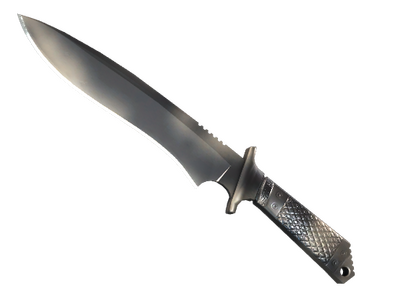
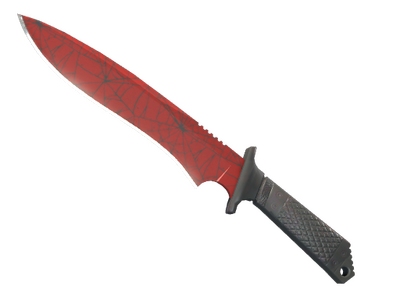
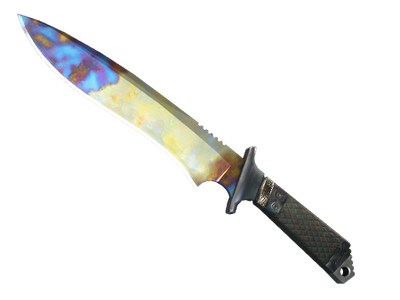
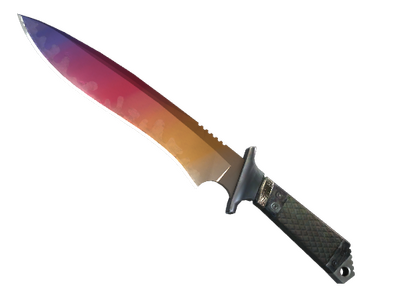
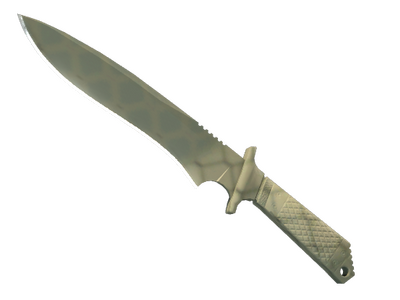
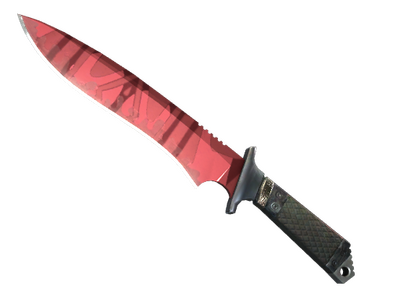
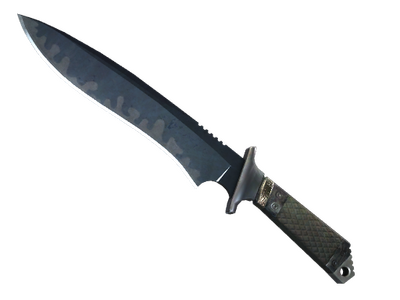
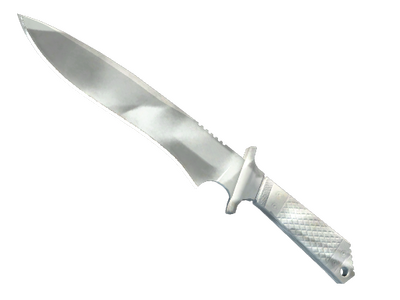
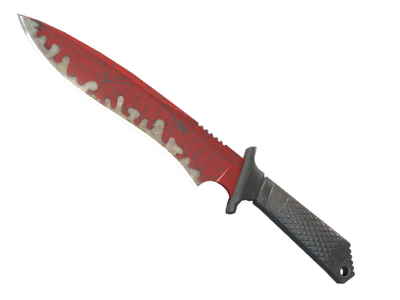
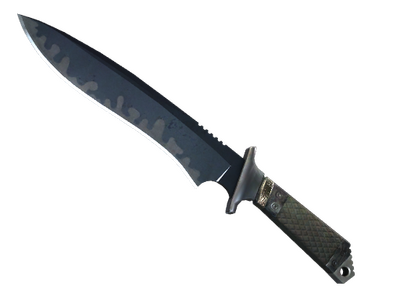
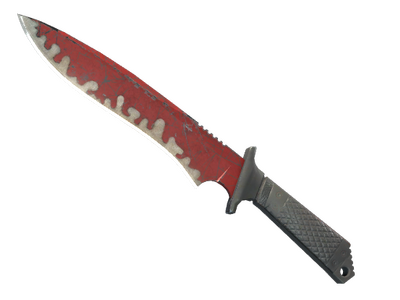
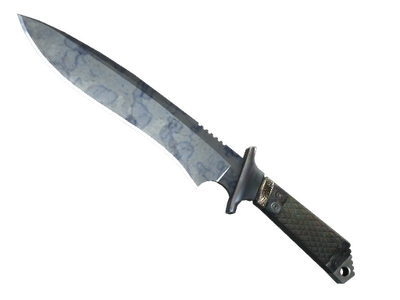
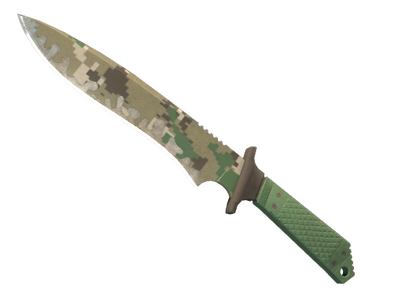
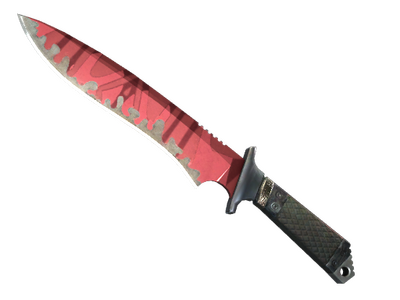
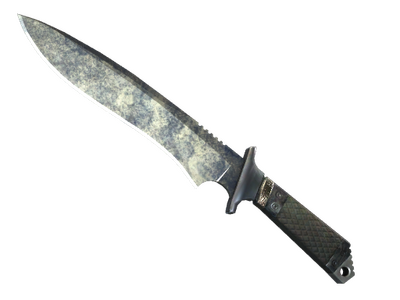
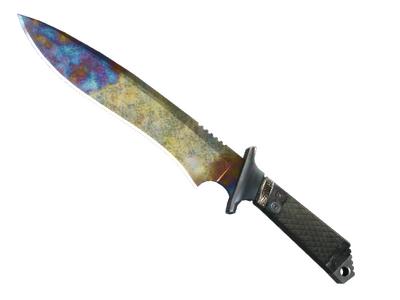
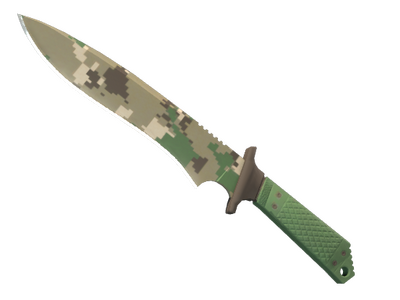
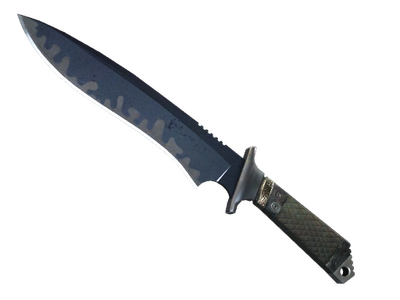
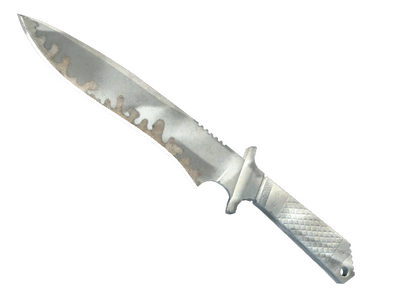
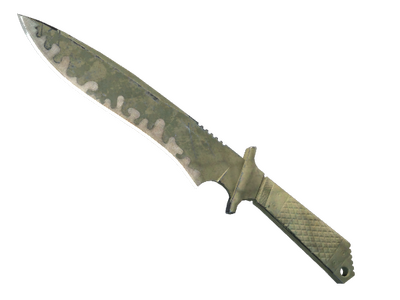
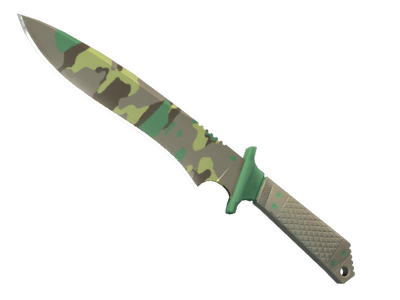
Classic knife: the CS 1.6 blade rebuilt as a rare special item
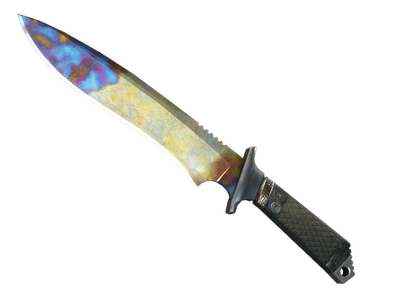
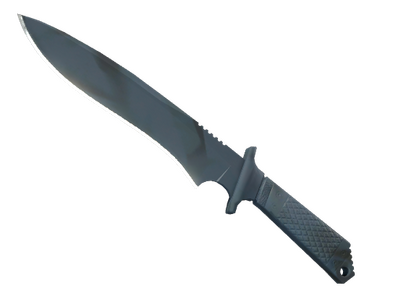
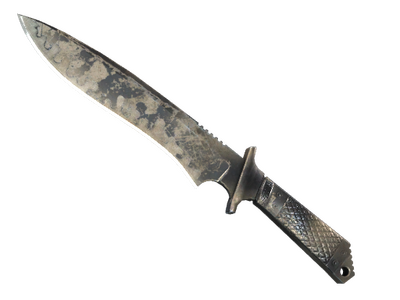
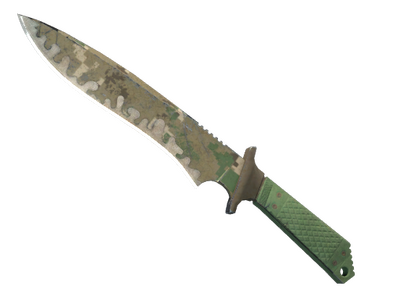
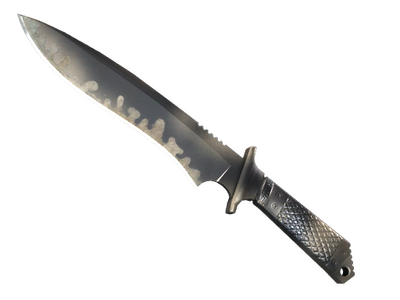
The classic knife is the plain combat blade from the early Counter-Strike games, rebuilt by Valve as a cosmetic item and dropped into the CS20 Case, the container built around the history of the series. Nothing about the shape is showy: a broad flat blade, a straight spine and a dark handle, with none of the folding mechanics or curves that define most models in the CS2 knives catalogue. Every listing in the grid above carries the gold star, because knives belong to the rare special item tier above Covert, even though Steam prints Covert on the item card.
In first person the appeal is restraint rather than spectacle. The idle animation taps the blade against the hand exactly as it did in CS 1.6, and the rare inspect throws the knife up and catches it. Set against a Butterfly Knife or a Karambit, bought largely for what the hands do with them, this model sells itself on surface area: the flat of the blade is wide and unbroken, so a finish reads whole instead of wrapping out of sight around a curve.
Finishes: one pool, borrowed from the oldest knives in the game
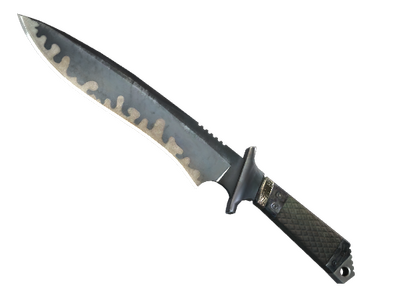
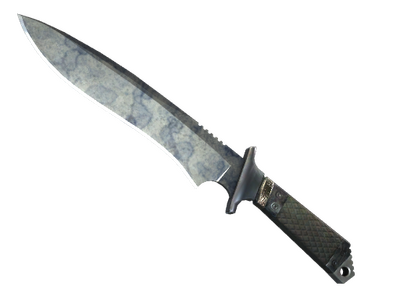
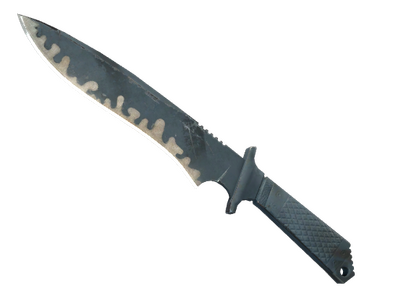
Every classic knife CS2 finish comes out of the same container, and that pool is the legacy set the first knives in the game shared: the same names sit on a Bayonet, a Flip Knife or a Gut Knife out of the CS:GO Weapon Case. There is no Doppler, no Marble Fade and nothing from the Chroma or Gamma generations here, which makes the model easier to learn than newer knives such as the Kukri Knife. The pool splits by what the finish does to the metal:
- Treated metal, where the pattern index decides the colour split: Case Hardened, Blue Steel, Stained.
- Colour that reads across a room: Fade, Crimson Web, Slaughter, Scorched.
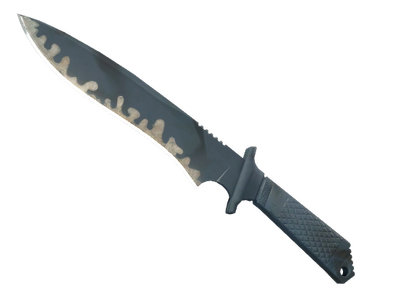
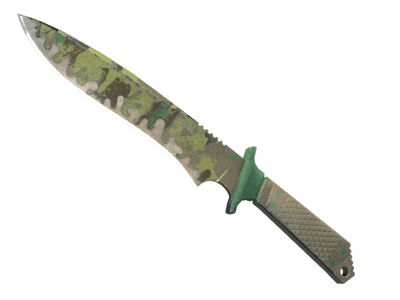
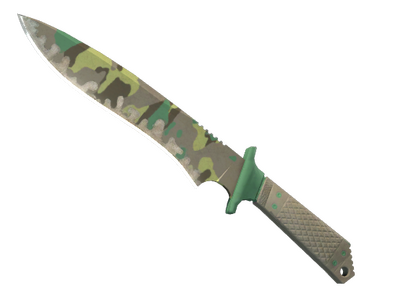
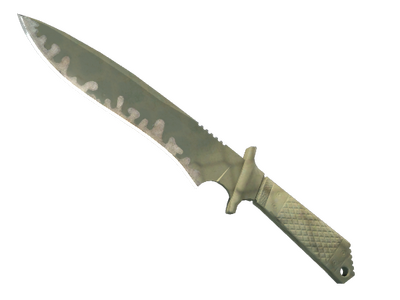
- Sprayed and stencilled camouflage: Boreal Forest, Forest DDPAT, Safari Mesh, Urban Masked, Night Stripe.
- No paint at all: the Vanilla version, which appears in the listings as Not Painted.
StatTrak runs across the whole pool, Vanilla included, so the counter is a decision separate from the finish. The StatTrak switch in the filters above keeps those copies in or out of the grid.
Pattern, wear and the Vanilla exception
Inside a single finish the pattern index does most of the separating. Case Hardened is the clearest example: the seed decides how much of the play side comes out blue rather than gold, and the community keeps tier lists of the best seeds. Those rankings are player work, not Valve data, but the market follows them, and a strong blue gem is priced on its seed long before anyone checks its wear. Crimson Web works the same way on a smaller scale: the webs can land on the flat of the blade or scatter towards the handle.
Wear is the second variable, and it weighs less here than on a rifle: the paint thins along the edge and the spine while the flat of the blade stays readable. Fade is the exception that catches people out, since its float range is clipped so tightly that only the two cleanest exteriors exist. Vanilla is the other exception: no paint means no float and no exterior at all, and the listing shows Not Painted where a wear grade would sit.
That leaves a clear budget ladder. The camouflage finishes sit at the bottom of the model's range, the patina and colour finishes carry the premium, and pattern-hunted copies price themselves. Sort the listings by price, then narrow the float range in the filters above.
How to get a Classic Knife in CS2
Unboxing is the original route, and the narrow one. Where an M9 Bayonet or a Bowie Knife turns up across several generations of CS2 weapon cases, this model has only ever come from the CS20 Case, and that case was pulled out of the weekly drop rotation, so the cases now move between players rather than arriving free. Nothing about the item changed when the game did, so the classic knife CS:GO players unboxed back then is the one sitting in the grid above.
The contract route is newer and more predictable. Covert skins from the CS20 Collection can be traded up into a rare special item from that collection's pool, and because the Classic Knife is the only gold item in it, the model is guaranteed while the finish and the wear are not. StatTrak inputs return a StatTrak knife, and the result arrives with a trade hold. It is still a gamble, just a differently shaped one.
Buying a specific copy is the third route and the only one where you choose. It is also the honest way to weigh this model against the ones from the same era — the Survival Knife, the Paracord Knife, the Skeleton Knife and the Nomad Knife — or against budget staples like the Falchion Knife, the Ursus Knife and the Huntsman Knife.
Buying and selling on white.market
- Narrow the grid with the finish, exterior, float and StatTrak filters until only copies you would equip are left.
- Open the listing and check the float value and the pattern index on the item itself, not on the thumbnail.
- Buy, and take delivery from the seller through a Steam trade offer; payouts run in both crypto and regular money.
- To sell, list your own copy, price it against what is already in the grid, and wait for a buyer rather than taking the first bot quote elsewhere.
FAQ
Is the Classic Knife the same thing as the default knife?
No. The default knife is part of the loadout and cannot be traded or sold, while the Classic Knife is an inventory item modelled on that older blade. The resemblance is deliberate, but only one of them changes hands.
Can I pick the exact pattern index when I buy?
Yes. Each listing is one specific copy with its own seed and float, so what you see on the item page is what lands in your inventory. That is the practical difference from unboxing, where both values are random.
Is there a StatTrak version of the Vanilla model?
Yes. StatTrak exists on the uncoated version as well as on every decorated finish, so a kill counter is possible on a knife with no paint on it at all.
Does a knife change anything in a round?
No. Damage, reach and speed are identical across every knife in the game, including the default one. The model and the finish change what you and everyone else see, and nothing else.