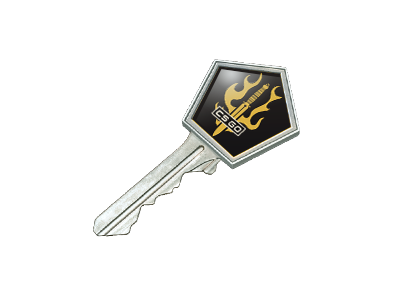
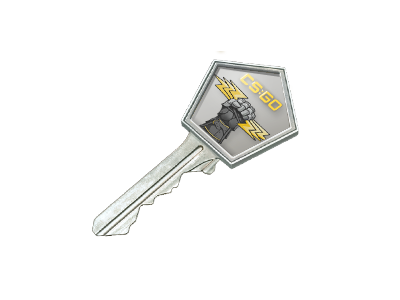
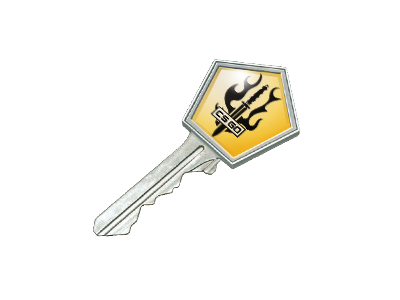
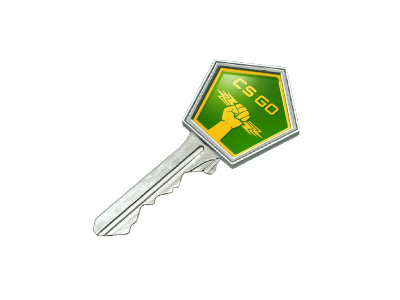
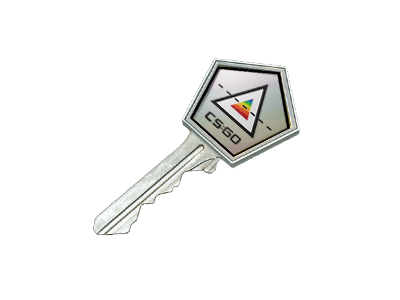
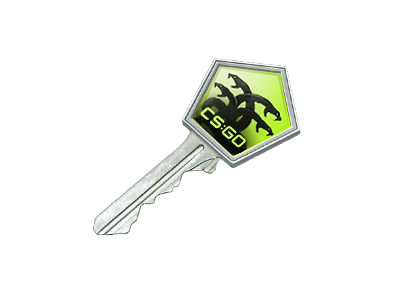
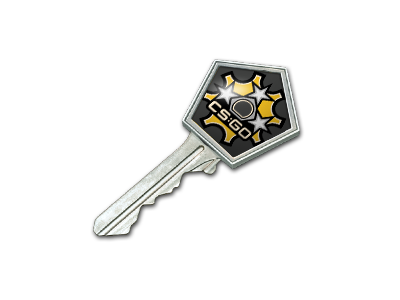
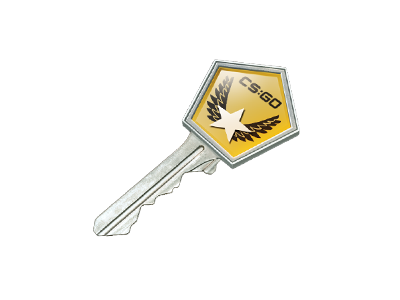
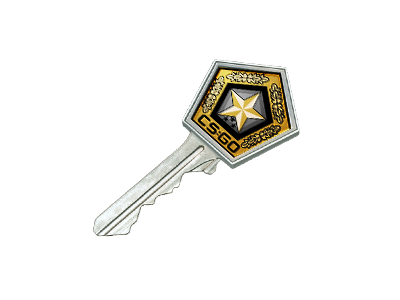
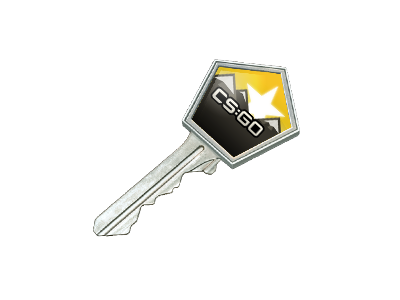
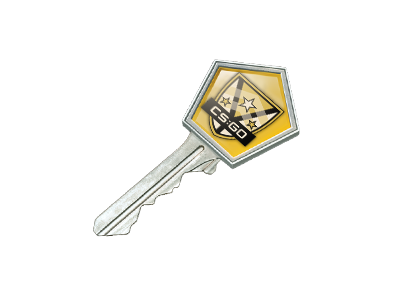
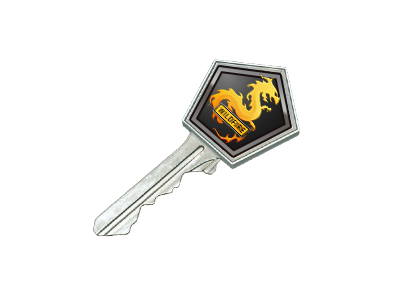
CS2 keys: tradable case keys from the CS:GO era
CS2 keys are Base Grade items created to unlock compatible Counter-Strike containers. Unlike weapon skins, they are functional inventory items rather than finishes: a key has no float, exterior, pattern seed, phase or StatTrak version. Most names tell you which CS2 weapon case the item can open, although a few older keys cover a broader group of containers.
The important distinction is between a key bought for opening a container and a tradable legacy key. Valve changed the system so newly purchased container keys cannot leave the account that bought them. Pre-existing keys were not affected, which is why tradable CSGO case keys still exist in player inventories and on P2P markets. These legacy keys CS2 still recognizes can also retain their original opening function, but their secondary-market value is no longer tied only to that function.
Not every item in the broader key category is a weapon-case key. The CS:GO Capsule Key, for example, was made for Valve Series capsules rather than weapon cases. If the goal is to browse that container type, use the CS2 capsule category separately. The item description matters more than the word “key” by itself.
Which CS2 case keys open which cases?
Most CS2 case keys are container-specific. The safest way to match them is by the exact key and case names rather than by artwork or release family. A key does not become compatible with another case simply because the cases contain related skins, knives or finishes.
Common one-to-one examples include:
- Spectrum 2 Case Key opens the Spectrum 2 Case.
- Operation Phoenix Case Key opens the Operation Phoenix Weapon Case.
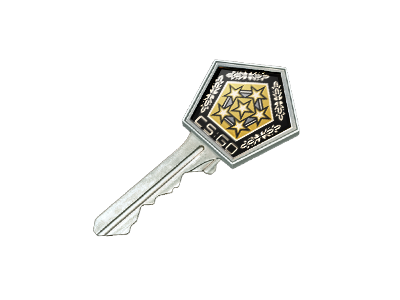
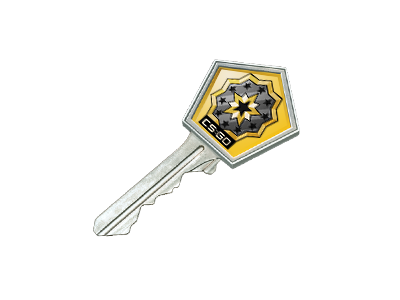
- Chroma 2 Case Key is intended for the Chroma 2 Case.
- Chroma 3 Case Key matches the Chroma 3 Case.
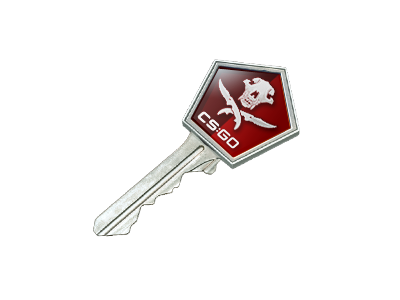
- Falchion Case Key opens the Falchion Case.
- Operation Wildfire Case Key matches the Operation Wildfire Case.
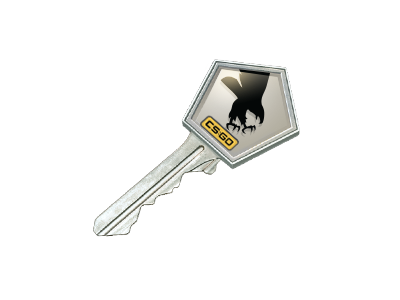
The original CS:GO Case Key is an important exception. Its description says it can open Valve Series Weapon Cases rather than one single named container. That includes the original CS:GO Weapon Case family. By contrast, non-Valve series containers can require their own key: an eSports Key, for example, belongs with containers such as the eSports 2013 Case.
For any keys CS2 inventories still show as tradable, check the item description before using them. Similar naming does not make different keys interchangeable, and using a compatible key consumes its opening utility.
Why tradable CS keys are different from ordinary opening keys
The tradable key market exists because old inventory items and newly purchased keys follow different transfer rules. A newly purchased key can still serve its basic purpose of opening a compatible container, but it cannot enter normal player-to-player circulation. Legacy keys that already existed before that restriction can continue to move between inventories.
This creates an important distinction for buyers. A tradable Operation Breakout Case Key, for example, is not simply a voucher for opening an Operation Breakout Weapon Case. It is also a limited legacy inventory item. The same logic applies to keys connected with older containers such as the Gamma Case.
For that reason, the market value of old CS keys can reflect the available tradable supply, demand for the key as an inventory collectible and demand around the corresponding case. It should not be treated as a direct measure of the cost of opening a container through the game interface.
There is no hidden premium version of a particular key. Keys of the same item type are treated as commodity items: there is no Factory New key, rare pattern, special float or StatTrak counter to compare. The meaningful variables are the key type, its compatibility and whether the specific inventory item is transferable.
Opening cases with keys vs keeping a tradable key
If the goal is simply to open a case, start from the container in the CS2 inventory and check the opening flow there. The restriction on trading keys did not remove the ability to obtain a key for opening a compatible container; it changed what happens to newly purchased keys afterward. A key bought through that flow stays with the purchasing account rather than becoming a freely tradable item.
Buying a legacy tradable key is a different use case. It can make sense when the object itself is what matters — for example, when completing an older inventory set, trading a particular key type or keeping an original Counter-Strike item. Using such a key to open a case removes that tradable item from the inventory, so the distinction is worth checking before confirming the opening.
The key also has no influence on which finish, wear level or StatTrak state comes out of the case. It only provides access to the compatible container. The reward mechanics belong to the case and its item pool, not to a “better” or “worse” copy of the key.
What to check when choosing a case key
Before choosing between listings, separate compatibility from market value. A practical check includes:
- Exact name: match the Case Key name to the container you actually have.
- Container type: distinguish weapon cases from capsules and other containers that use different opening rules.
- Tradability: marketplace listings represent transferable legacy items, not newly purchased account-bound opening keys.
- Purpose: decide whether the key is intended for opening, trading or keeping as an inventory item before consuming it.
- Available listings: compare the offers in the grid rather than assuming two differently named keys should have similar market values.
This approach is especially useful for older case families with similar names. Chroma, Chroma 2 and Chroma 3 are separate containers with separate matching keys; the same principle applies across most named case-key pairs.
How to buy and sell CS2 keys on white.market
On white.market, the key category is for transferable Counter-Strike inventory items. Before placing an order, verify the exact item name and make sure the key matches the intended case or collection purpose.
- Choose the required Case Key in the listings above and compare the available offers.
- Check the full key name before buying, especially when several keys belong to similarly named case families.
- Complete the P2P purchase and confirm that the correct transferable item arrives in the connected inventory.
- When selling, select an eligible tradable key from the inventory and create the listing for that exact item type.
Account-bound keys purchased through the game cannot be transferred into a P2P sale. The category therefore focuses on legacy keys that remain eligible for inventory trading.
FAQ about CS2 keys
Can all case keys be traded in CS2?
No. Newly purchased container keys are account-bound and cannot be traded or sold. Pre-existing legacy keys were left transferable, which is why those versions can still appear on secondary markets.
Are CS2 case keys universal?
No. Most keys are tied to a specific case, such as Spectrum 2 Case Key or Falchion Case Key. A few older keys cover a defined family of containers, so always check the item's compatibility description rather than assuming every key works with every case.
Can old CS:GO keys still be used in CS2?
Yes, compatible legacy keys remain Counter-Strike inventory items and retain their stated container-opening function. Using one for opening means giving up the tradable key itself, so check whether opening or keeping the item is the intended use.
Do different copies of the same key have different characteristics?
No. Keys of the same type do not have float, exterior, pattern, phase or StatTrak variations. The relevant distinction is the key type and its compatible container, not an individual visual or technical roll.