CS2 cases: what actually happens when you unlock one
CS2 cases are locked containers, each tied to its own collection of weapon finishes and to a separate gold-tier pool of rare special items — knives, gloves or a mix of both. A case opens only with the key made for it, and the result is decided at that moment: the game rolls a rarity tier on the ladder Mil-Spec, Restricted, Classified, Covert and the gold slot above Covert, then picks an item from that tier, then assigns its float, pattern and, where the item allows it, a StatTrak counter. The higher the tier, the rarer the roll, which is why most openings land on Mil-Spec.
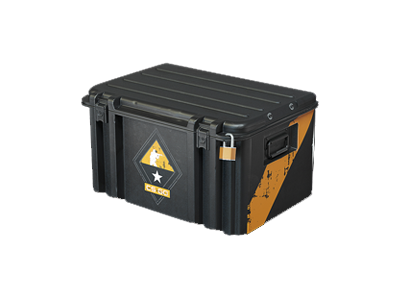
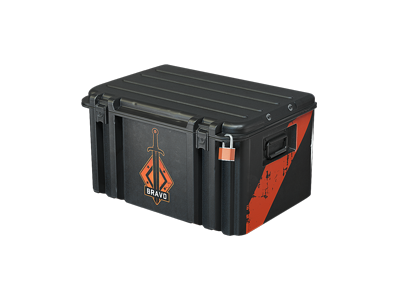
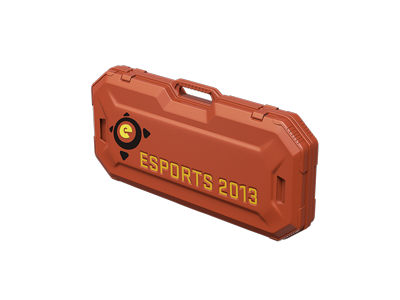
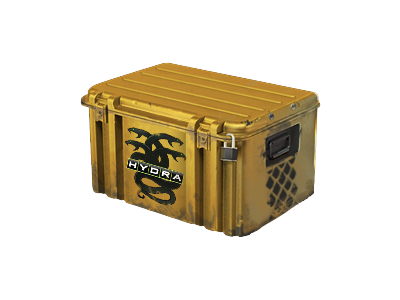
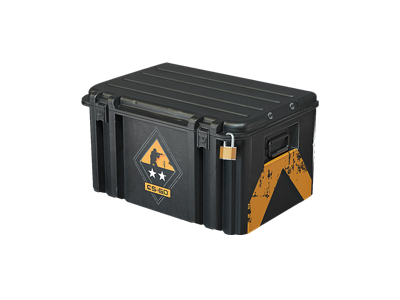
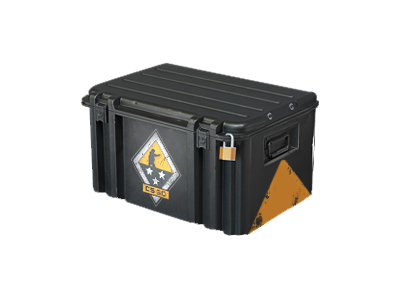
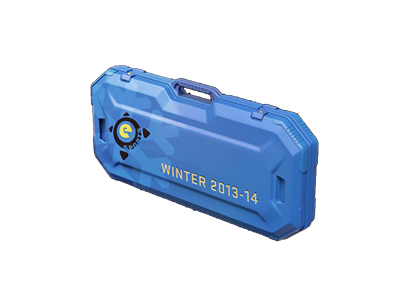
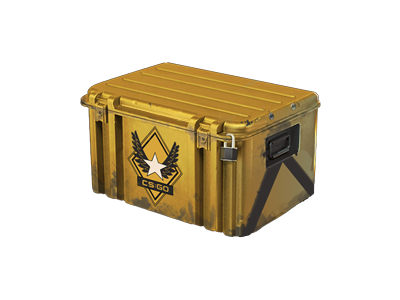
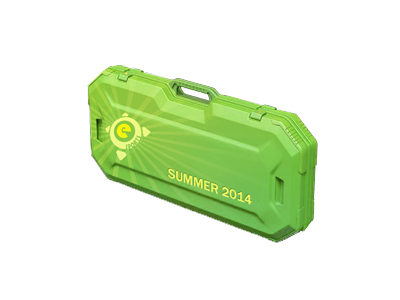
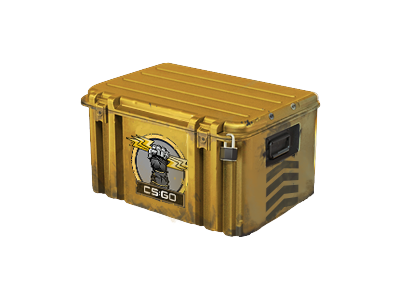
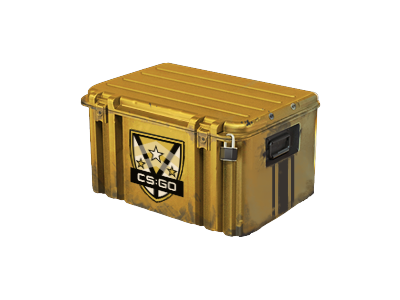
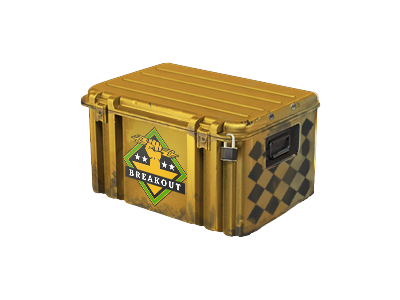
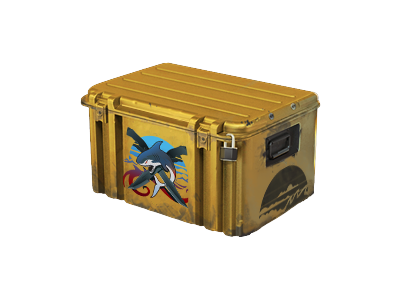
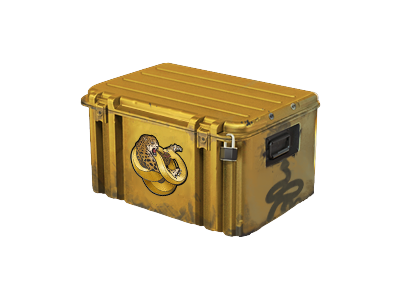
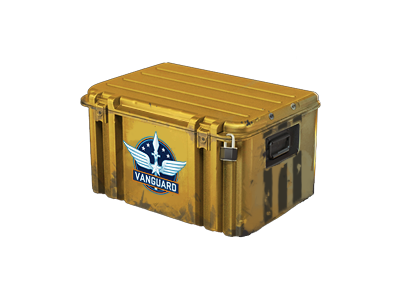
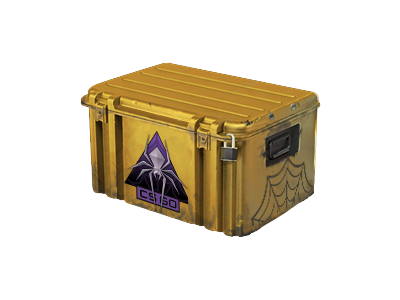
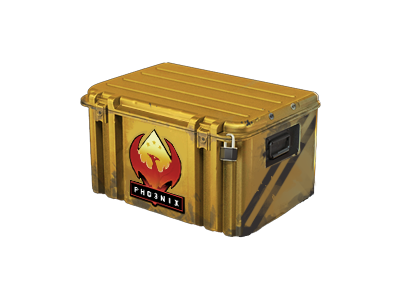
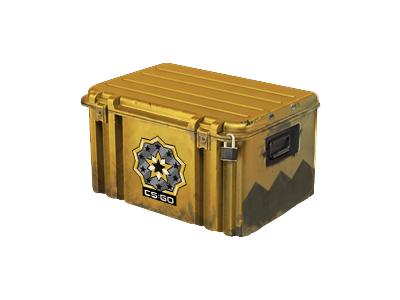
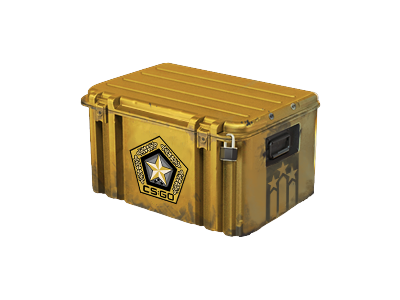
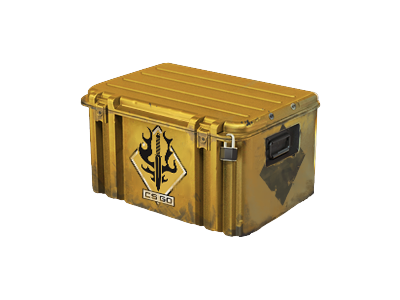
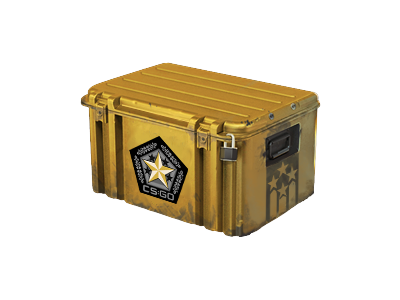
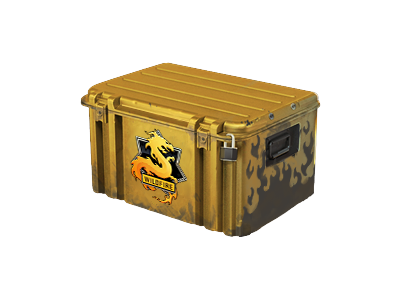
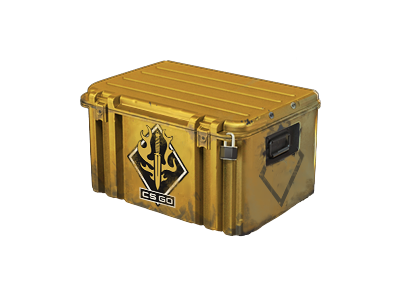
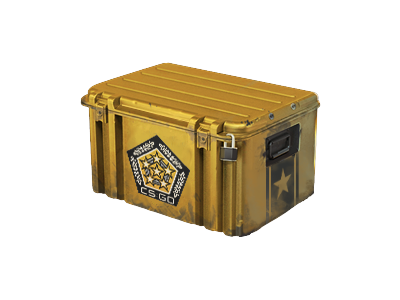
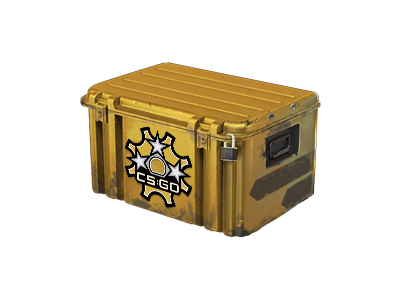
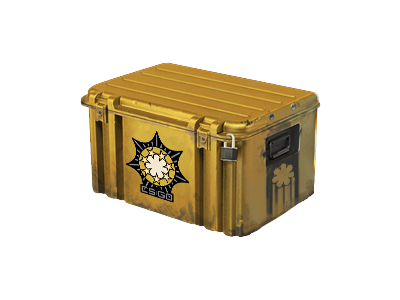
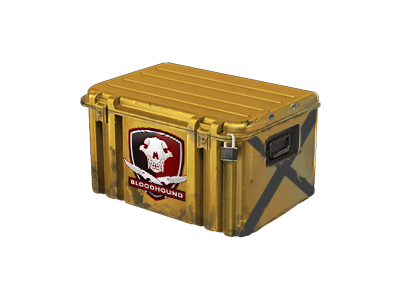
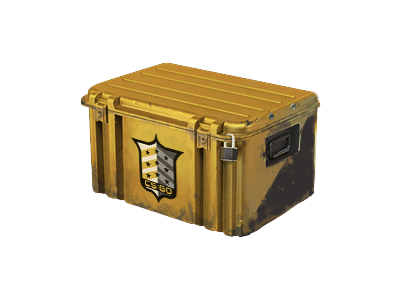
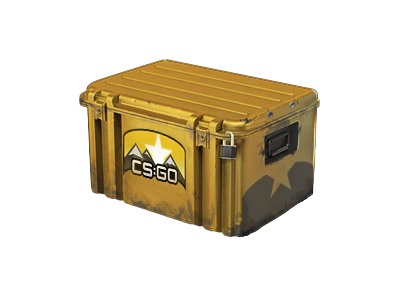
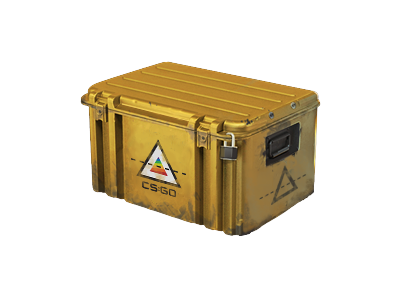
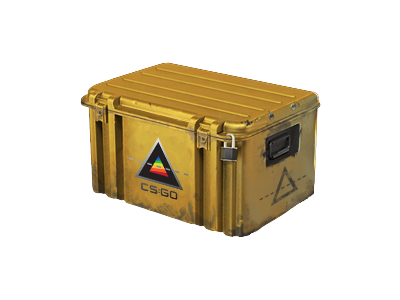
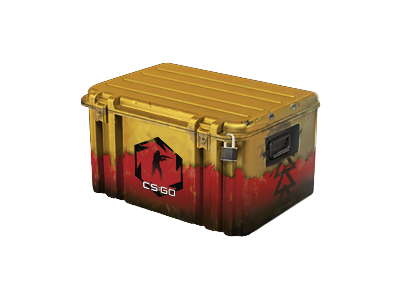
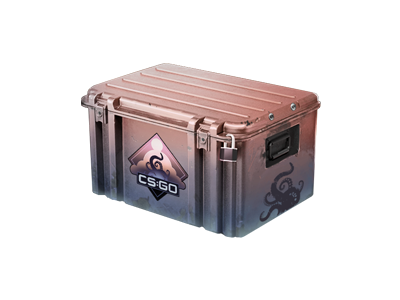
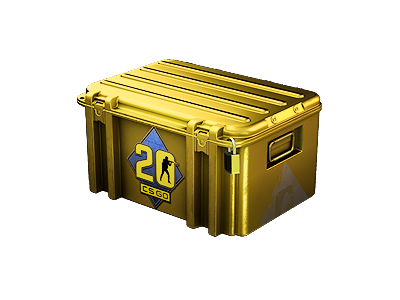
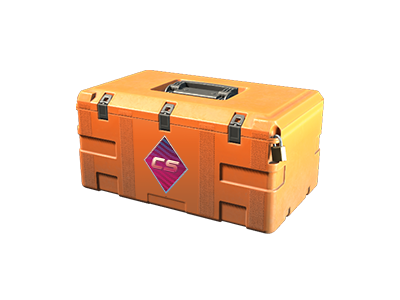
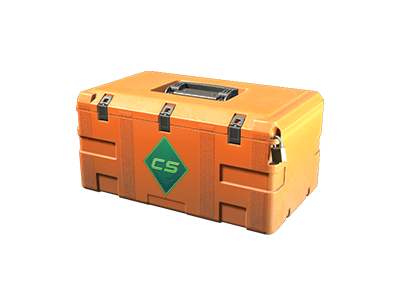
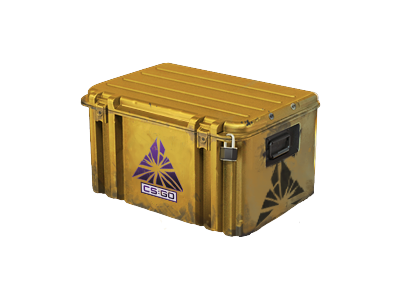
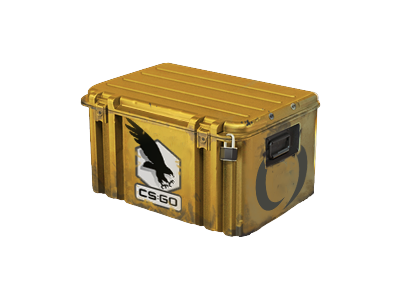
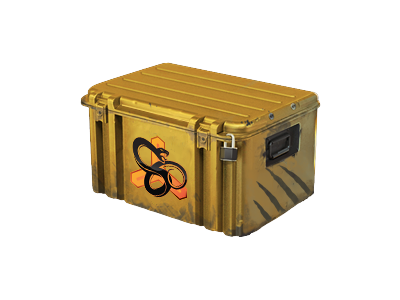
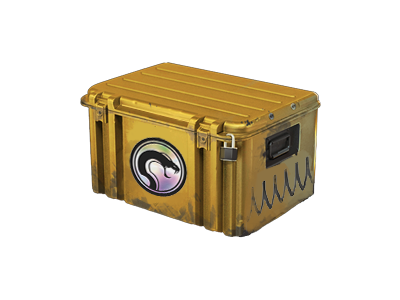
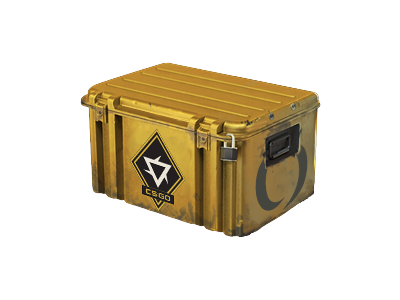
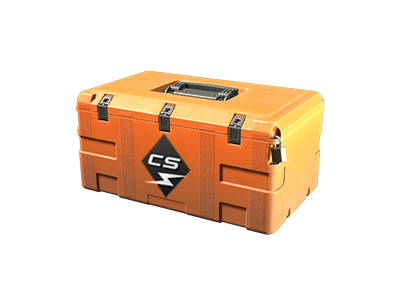
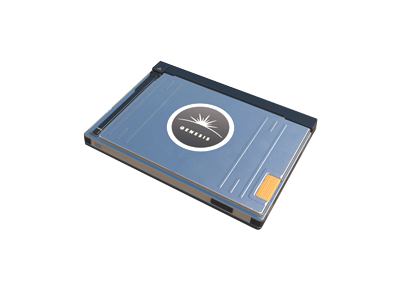
The container itself never changes. A case is a Base Grade item with no wear, no pattern and no StatTrak, so any two copies of the same case are the same thing and the grid above differs only by price. This page of the cases catalogue lists weapon cases and Terminals; sticker capsules, souvenir packages and patch packs have their own sections because they hold different item types and follow different rules.
From the Arms Deal to CS2-era releases: the lineup in the grid
Everything released as csgo cases carried over into CS2 together with players' inventories, so the grid runs from the Arms Deal update to the newest drops. Across old and new CS cases the opening rules are the same; what separates them is the collection inside and, above all, the gold pool. Grouped by what they brought to the game:
- The first wave — the CS:GO Weapon Case and the eSports 2013 Case arrived with the Arms Deal update; part of the eSports key proceeds went to tournament prize pools.
- Operation cases — rewards and drops tied to operations, such as the Operation Bravo Case or the Operation Breakout Weapon Case, which debuted the Butterfly Knife.
- Finish-generation cases — the Chroma Case brought Doppler, Marble Fade and Tiger Tooth to knives, the Gamma Case brought Gamma Doppler and Lore.
- New-model cases — the Huntsman Weapon Case introduced the Huntsman Knife, and the Kilowatt Case, the first case released after CS2 launched, introduced the Kukri Knife.
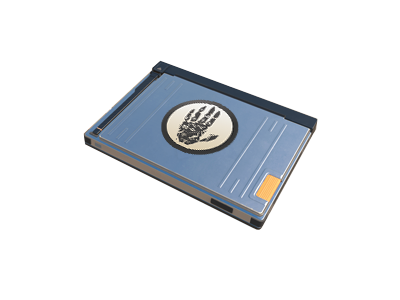
- New formats — the Gallery Case and the Fever Case were issued through the Armory, and Terminals such as the Sealed Dead Hand Terminal replace the case-and-key model with fixed-price offers.
Active pool, discontinued and Armory: where new copies come from
Supply decides more about a case than its artwork. Prime players get a weekly care package with a choice of items, and cases enter it from the active drop pool — a short list that Valve rotates with updates. While a weapons case CS2 players can still pick in that package stays active, new copies keep flowing in and the price stays low. When Valve moves it out of the pool, the case becomes discontinued: fresh copies all but stop, every opening removes one from the market, and the remaining stock slowly thins out.
Recent releases added two more routes. Armory cases were earned with Armory Pass stars rather than dropped. Terminals entered the weekly rotation alongside regular cases and can be sold sealed, but opening one is a purchase decision rather than a roll. When you check the grid, a case's origin tells you whether its stock is still growing or already fixed.
Choosing a case to open or to keep
The questions worth asking before you buy a cs2 case:
- Which gold pool does it hold? Model and finish generation matter most — classic knives in early finishes, Doppler-era knives, or gloves.
- Is it still dropping? Active cases stay cheap and plentiful; discontinued ones are priced by a shrinking stock.
- Is there a headline skin? One sought-after Covert, such as AWP | Lightning Strike in the original case, can carry a case's price by itself.
For openings, sort the listings by price and remember the key: it costs the same fixed store price whichever case it opens, so on the cheapest cases the key is most of what you pay. For holding, discontinued cases with a strong gold pool are the ones collectors usually look at, though no case price is guaranteed to move in one direction.
Keys and trade-ups: two ways around the roll
Every case has its own key. Keys bought in the in-game store stay on the buyer's account and can only be used, never traded or sold; the tradable ones that exist are older keys bought before Valve introduced that rule, and those sit in the case keys section.
If you want a case's knife pool without opening dozens of cases, the Trade Up Contract offers another route. It accepts Covert skins from case collections and returns a knife or gloves from the gold pool of one input's collection; an all-StatTrak contract returns a StatTrak knife, since gloves never carry the counter. Coverts from one case keep the outcome inside that case's pool, while mixed inputs spread it across several. Collections that have no gold pool, like map collections, cannot be used for this contract.
Buying and selling cases on white.market
Since copies of a case are interchangeable, a deal comes down to name and price:
- Pick the case in the grid or find it through the search, then compare its listings.
- To propose your own price, open the Bargain tab, where sellers accept offers.
- Pay for the listing and accept the Steam trade offer; the case arrives in your inventory.
- To sell, list cases from your Steam inventory at your own price and withdraw in crypto or fiat.
FAQ
Why can't I open a case I just bought?
Because it is Trade Protected. Items received through a Steam trade cannot be consumed while the protection lasts, and unlocking a case counts as consuming it. When the period ends, the case opens normally.
Can a case give me a StatTrak or Souvenir skin?
StatTrak yes, Souvenir no. Weapon skins and knives from a case can roll with a StatTrak counter, gloves cannot. Souvenir items come only from tournament souvenir packages.
What happens if I turn down every offer from a Terminal?
The Terminal is gone and you receive nothing. Unsealing it opens a time-limited series of offers, each a specific item at a fixed Steam Wallet price, so selling it sealed is the only way to get value from a Terminal you do not plan to buy from.
Do skins from cases change anything in a match?
No. Cases and their contents are purely cosmetic: a skin changes how a weapon looks, not how it handles or shoots.