The Karambit is the most iconic knife in CS2. The curved blade, the distinctive inspect animation, and the sheer prestige of having one in your inventory make it the single most sought-after knife in the game. And while opening cases is the traditional route, there's a smarter way to get one in 2026 — the trade-up contract system. This guide explains exactly how to craft a Karambit through trade-up: which collections to use, what your odds are, which finishes are available from each route, and how to manage float for your target condition.
How CS2 Knife Trade-Ups Work
Since Valve introduced the covert-to-knife trade-up system, you can use five Covert (red) skins as inputs to receive one Gold Special Item — which includes knives and gloves. The key mechanics to understand before starting CS2 knife trade up:
You need exactly five Covert-grade skins as inputs. You cannot mix StatTrak and non-StatTrak skins in the same contract. The output float is calculated from the average float of your five inputs — manage this carefully if you're targeting a specific condition. If you purchase inputs from a third-party marketplace rather than the Steam Community Market, a 7-day trade hold applies before the skins become eligible for a contract. Plan your timing accordingly.
Which CS2 Cases Contain the Karambit?
As of 2026, there are 16 cases that contain the Karambit knife. Each Karambit case has a different number of finishes available — ranging from 11 to 13 depending on the case — and in every single one, the Karambit shares the knife pool with other knife types. There is no case that contains only Karambits, which means your odds of landing specifically on a Karambit are always diluted by the other knives in the pool.
The 16 Karambit cases in CS2:
CS:GO Weapon Case, CS:GO Weapon Case 2, CS:GO Weapon Case 3, eSports 2013 Case, eSports 2013 Winter Case, eSports 2014 Summer Case, Operation Bravo Case, Operation Phoenix Weapon Case, Operation Vanguard Weapon Case, Revolver Case, Winter Offensive Weapon Case, Chroma Case, Chroma 2 Case, Chroma 3 Case, Gamma Case, and Gamma 2 Case.
Each of these cases has its own pool of Covert input skins and its own set of Karambit finishes available as possible outputs. The practical approach is to choose the case whose Covert inputs are currently cheapest on white.market relative to the expected output value — since the Karambit finish pool and odds vary by case, the best case to use changes with market conditions.
How to Choose Which Case to Use
Because no case guarantees a Karambit output — every case shares its knife pool across multiple knife types — the decision of which case to use comes down to three factors:
Which Karambit finishes you want. Different cases contain different Karambit finish selections. The early legacy cases (CS:GO Weapon Case, Operation Bravo, eSports series) tend to have classic finishes. The Chroma cases introduced Doppler and Fade. Gamma and Gamma 2 introduced Gamma Doppler phases. Always check which finishes are in the output pool of your chosen case before committing.
How many knife types share the pool. Cases with fewer knife types in their pool give you better Karambit odds per attempt. Cases with more knife types in the pool dilute your odds further. Since every case has between 11 and 13 Karambit finishes available, the number of other knife types in the pool is the main variable affecting your per-attempt odds.
Input skin prices. Check cs2 skin market for current Covert input prices across all 16 eligible cases. The cheapest five-input combination relative to the expected output value is the most rational choice — not necessarily the most famous case.
Method 1: Chroma Case — Karambit Finishes and Odds
The Chroma Case knife pool contains multiple knife types, which dilutes your Karambit odds but gives access to some of the most desirable Karambit finishes available. This makes Chroma one of the strongest options for a Karambit trade-up.
Input Skins (choose 5 from):
AWP Man-o'-war
Galil AR Chatterbox
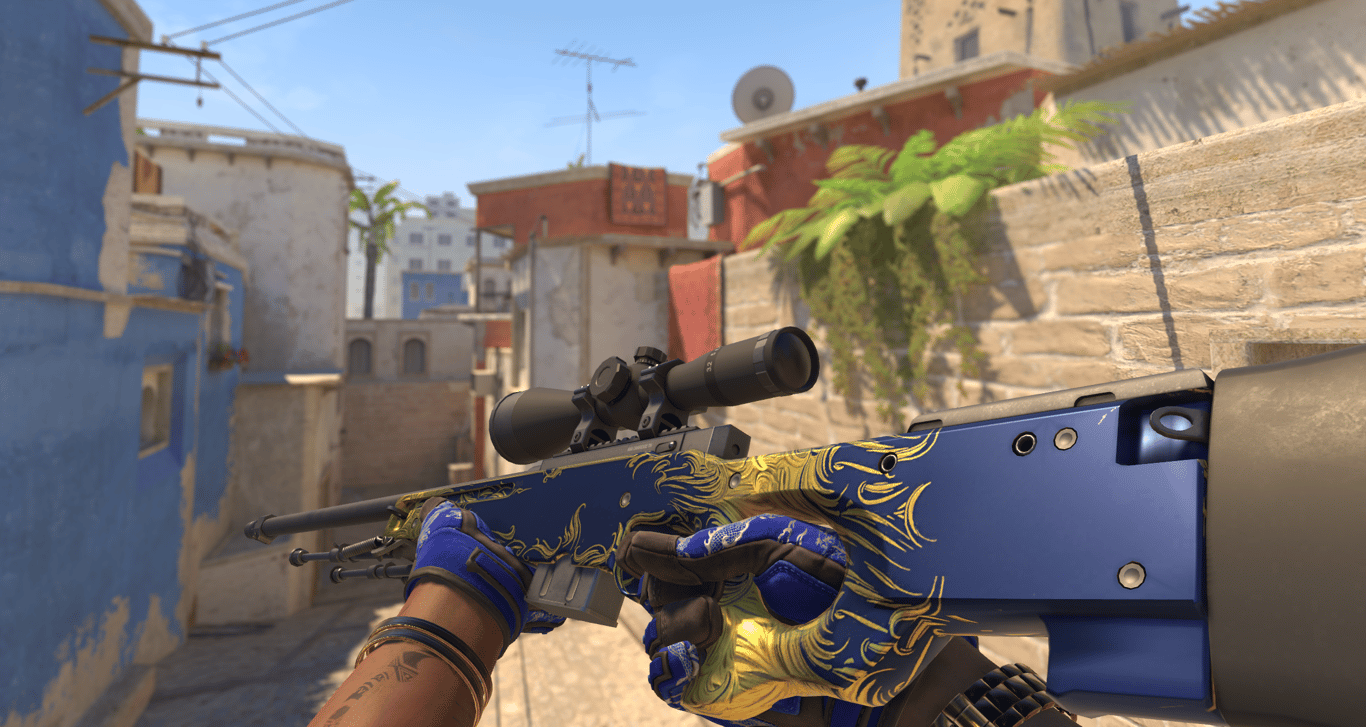
Karambit finishes available from Chroma:
Fade, Doppler (all phases including Black Pearl, Ruby, Sapphire), Tiger Tooth, Marble Fade, Slaughter, Blue Steel, Rust Coat, Ultraviolet.
Approximate Karambit odds: ~16%
The Chroma Case knife pool is shared across Bayonet, Flip Knife, Gut Knife, Karambit, and M9 Bayonet — five knife types with roughly equal weighting, giving you approximately a one-in-six chance of landing on the Karambit specifically. The upside is the finish pool — Chroma contains Doppler (including Black Pearl, Ruby, and Sapphire), Fade, and Marble Fade, making it the most prestigious possible output pool for Karambit trade-up in CS2.
Method 2: Chroma 2 Case — Same Odds, Different Inputs
The Chroma 2 Case shares the same knife output pool as the original Chroma Case — meaning the same Karambit finishes are available and the same approximately 16% odds apply. The difference is the Covert input skins.
Input Skins (choose 5 from):
M4A1-S Hyper Beast
MAC-10 Neon Rider
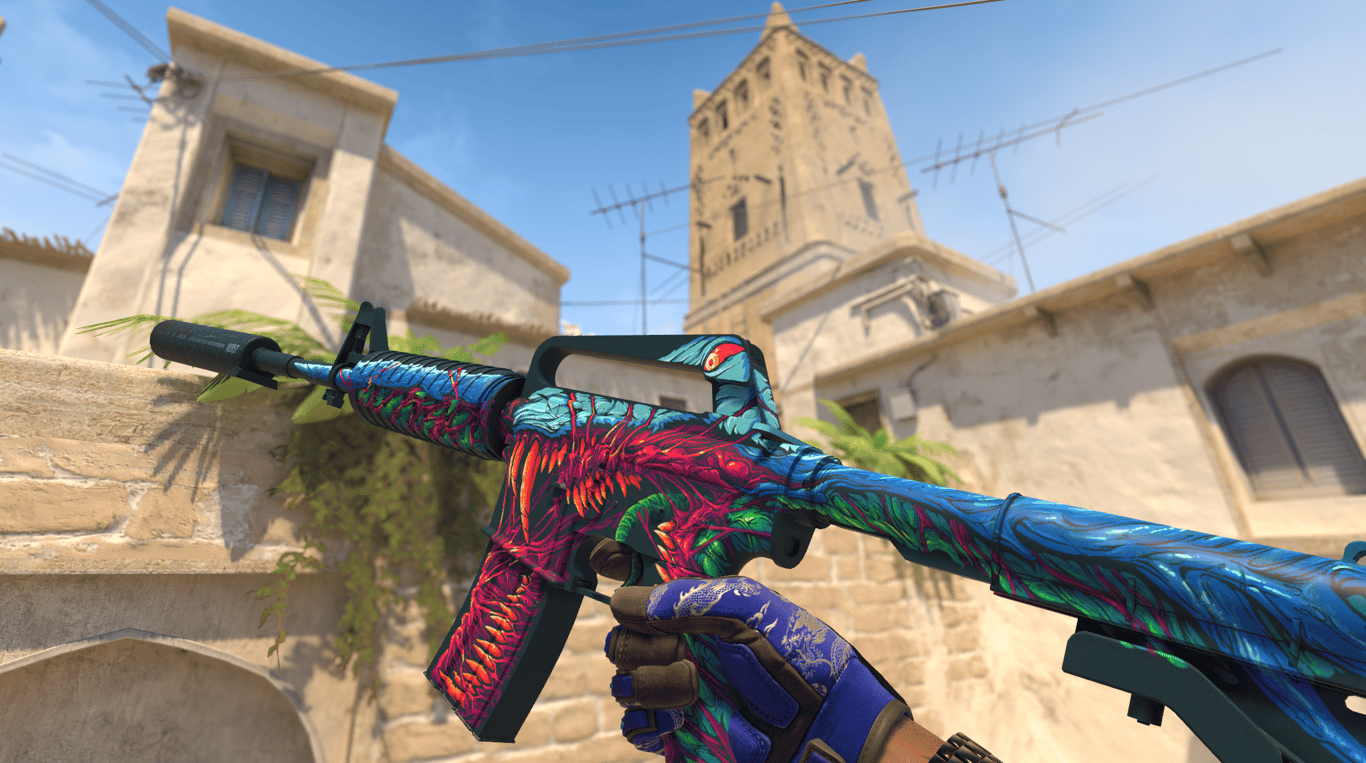
Karambit finishes available: Same as Chroma Case
Since the Karambit output pool is identical, the better choice is whichever collection's Covert inputs are cheaper at the time of purchase — the expected output value is the same from both.
Method 3: Chroma 3 Case — Overlapping Pool, New Inputs
Chroma 3 also shares a heavily overlapping knife pool with the original Chroma cases, again with multiple knife types diluting your Karambit odds to approximately 16%.
Input Skins (choose 5 from):
M4A1-S Chantico's Fire
PP-Bizon Judgement of Anubis
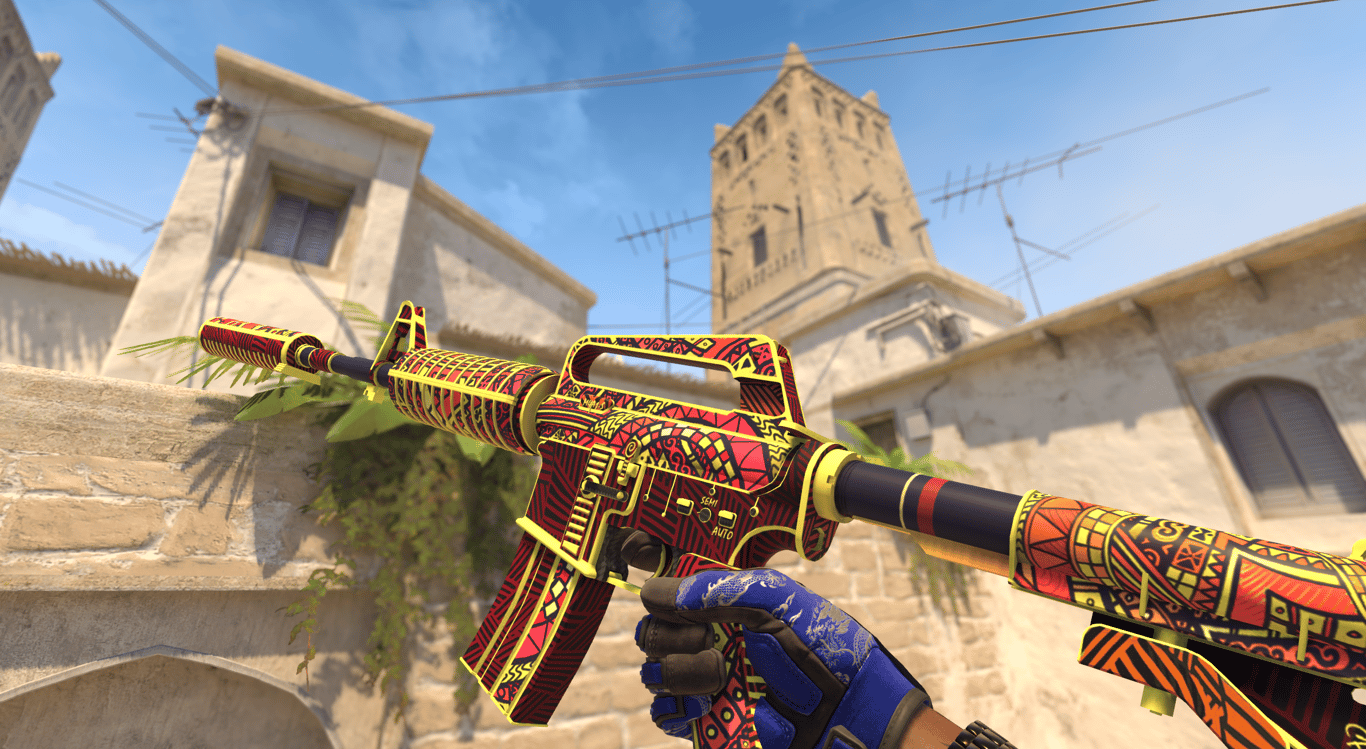
Karambit finishes available: Overlapping with Chroma and Chroma 2
Same logic applies — compare input prices across all three Chroma cases before committing. The cheapest input pool for the same expected output is always the correct choice.
Method 4: CS:GO Weapon Cases — Karambit in a Smaller Pool
The CS:GO Weapon Case has a slightly different knife pool composition that may give slightly better Karambit odds depending on the exact pool structure.
Input Skins (choose 5 from):
AWP Lightning Strike
AK-47 Case Hardened
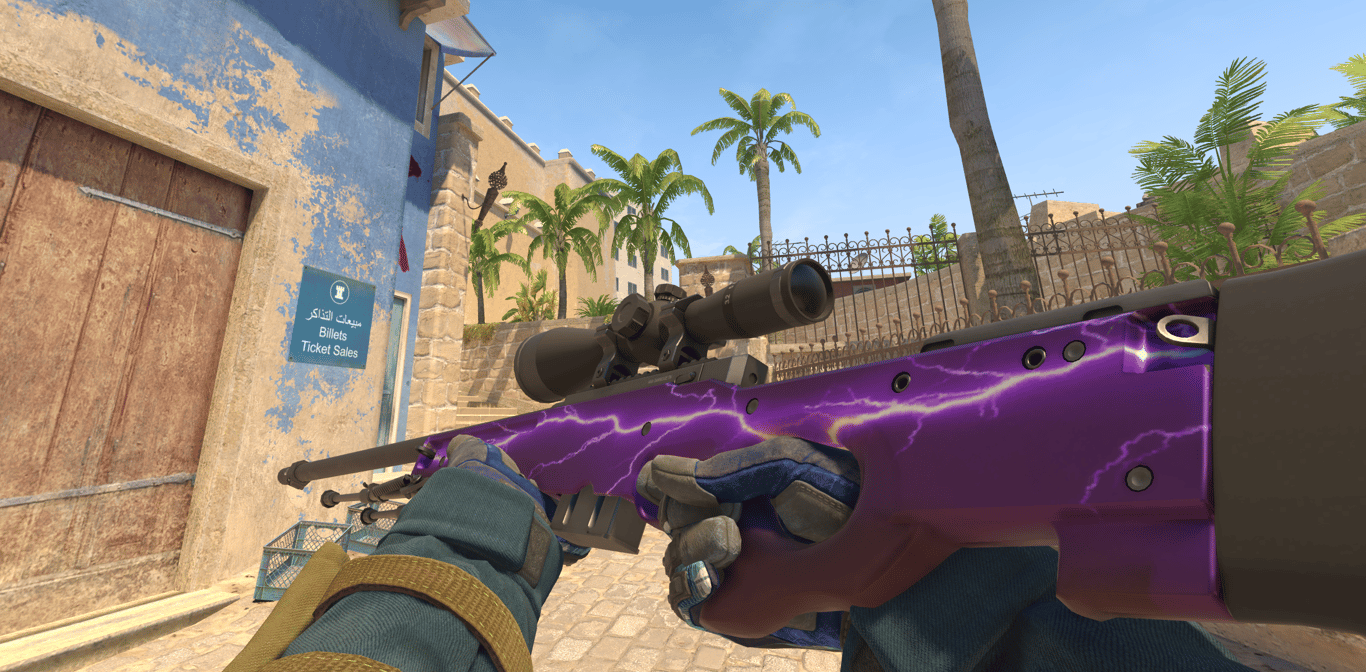
Karambit finishes available from CS:GO Weapon Case:
Karambit Safari Mesh, Night, Scorched,Stained, Urban Masked, Forest DDPAT, Vanilla, Fade, Slaughter, Crimson Web, Blue Steel and Case Hardened.
Approximate Karambit odds: ~16–20%
Method 5: Operation Phoenix
Operation Phoenix Weapon Case also shares a heavily overlapping knife pool, again with multiple knife types diluting your Karambit odds to approximately 16%: Karambit Safari Mesh, Night, Scorched,Stained, Urban Masked, Forest DDPAT, Vanilla, Fade, Slaughter, Crimson Web, Blue Steel and Case Hardened.
Input Skins (choose 5 from):
AWP Asiimov
AUG Chameleon
Mixing Collections: How It Affects Your Karambit Odds
You can mix Covert inputs from different cases in the same contract. The trade-up draws from a combined pool weighted by how many inputs you contributed from each case.
For example: three Chroma Coverts plus two Operation Phoenix Coverts gives you a 60% weight toward the Chroma knife pool and 40% toward the Operation Phoenix pool. Your overall Karambit odds don't change dramatically, but the finish pool you're drawing from shifts proportionally.
Mixing is generally not recommended for Karambit hunting because it complicates the expected value calculation. Pure single-case inputs give you the clearest picture of what you're targeting and what your expected return is per attempt.
Float Management: How to Target Your Desired Karambit Condition
The output float equals the average float of your five inputs — the basic CS2 trade up float formula used when planning the target condition. Here's what to target by condition:
Factory New (0.00–0.07) — inputs must average below 0.07. For pattern-sensitive finishes like Doppler Black Pearl, Ruby, and Sapphire, Factory New is the only condition where the patterns can reliably appear. This is the most expensive input route.
Minimal Wear (0.07–0.15) — inputs averaging 0.07–0.15. A strong middle ground for most Karambit finishes — clean appearance at a meaningful price reduction versus Factory New.
Field-Tested (0.15–0.38) — the most affordable input route. For finishes like Crimson Web where low float is less critical, Field-Tested can be an excellent value target.
Critical note for Doppler Black Pearl: your five inputs must average 0.08 or below for the Black Pearl pattern to be eligible as an output. Float management is not optional if you're targeting this finish — overshooting the float ceiling makes Black Pearl impossible regardless of which inputs you use.
Which Karambit Finish Should You Target?
The Karambit finish you target should be determined by the relationship between input cost and expected output value. For a closer look at individual finishes, see our guide to the top Karambit skins to buy or sell in 2026. Here's a practical breakdown of the most sought-after finishes by tier:
Ultra-premium tier — Doppler Black Pearl, Doppler Ruby, Doppler Sapphire, Gamma Doppler Emerald. These are among the most valuable items in CS2 overall. The odds of hitting a specific one from a trade-up are very low, but the potential output value is enormous.
Premium tier — Fade (high fade %), Doppler Phase 2, Gamma Doppler Phase 4, Marble Fade, Lore. Strong community demand and consistent value. The Karambit Fade is particularly pattern-dependent — a full fade commands a large premium over lower percentages.
Mid tier — Tiger Tooth, Autotronic, Slaughter, Crimson Web, Black Laminate. Accessible and well-regarded. Pattern matters significantly for Crimson Web specifically.
Entry tier — Blue Steel, Stained, Boreal Forest, Forest DDPAT, Night, Vanilla. These are the lower-value outcomes that represent the majority of trade-up results. Worth knowing before committing to any attempt.
Is It Worth It? Honest Expected Value Assessment
Karambit trade-ups are high-variance. With approximately 16–20% odds of landing on a Karambit at all, and then a wide range of possible finishes within that, most individual attempts will produce either a non-Karambit knife or a lower-tier Karambit finish.
The expected value calculation before every attempt:
Find the combined cost of five Covert inputs at your target float range. Calculate the weighted average expected output value across all possible knife outcomes from that case — not just the Karambit outcomes. This is the basis for comparing profitable knife trade ups in CS2. If the weighted average output value exceeds your input cost, the contract has positive expected value. If not, buying a Karambit directly is more efficient.
In most market conditions, Karambit trade-ups are slightly negative expected value — you pay a premium for the excitement of the attempt and the chance at a jackpot finish. That doesn't make them irrational, but it means approaching them with clear financial expectations rather than assuming you'll profit on average.
Where to Source Covert Inputs at the Best Price
Input cost is the single biggest lever you control in any trade-up's expected value. Compare Covert input prices across the eligible cases, while also accounting for float requirements and the possible output pool. white.market is the best place to buy skins at lower prices, with the following benefits:
Prices lower than Steam Market — consistently 15–30% cheaper on popular Covert skins, which is the difference between a marginally positive and clearly negative expected value on many attempts
Float filtering — essential for factory new and pattern-sensitive targets like Doppler Black Pearl where the average input float must stay below 0.08
Large inventory — Covert inputs from Chroma, Chroma 2, Chroma 3, Phoenix, and Fracture all available simultaneously for comparison
Fast withdrawals — important given the 7-day hold on non-Steam purchases; plan your purchase timing accordingly
Price history tracking — lets you identify when specific Covert inputs are at price lows before committing to a five-skin purchase
Trusted by millions of CS2 players worldwide — particularly important for higher-value Covert transactions where individual skins cost $50–$200+
FAQ
How do you get a Karambit through trade-up in CS2?
You need five Covert (red) quality skins from cases that contain the Karambit in their knife pool. Place them in the Trade Up Contract in your inventory and confirm. The output is one Gold-tier item drawn from that case's knife pool — with approximately 16–20% odds of landing specifically on a Karambit.
Which case gives the best Karambit trade-up?
The CS2 knife trade up odds are approximately 16–20% per attempt, depending on the case. The knife pool in most cases is shared across five or more knife types with roughly equal weighting. This means roughly one in five to six contracts will produce a Karambit — the rest produce other knife types from the same pool.
What are the odds of getting a Karambit from a trade-up?
Approximately 16–20% per attempt, depending on the case. The knife pool in most cases is shared across five or more knife types with roughly equal weighting. This means roughly one in five to six contracts will produce a Karambit — the rest produce other knife types from the same pool.
Can you get a Karambit Doppler Black Pearl from a trade-up?
Yes, but only from Chroma, Chroma 2, or Chroma 3 inputs, and only if your five input skins average a float of 0.08 or below. The Black Pearl pattern requires both the right case and the right float management to be an eligible output.
What is the best Karambit finish in CS2?
The Karambit Doppler Black Pearl is widely considered the most prestigious Karambit finish — extremely rare, pattern-exclusive, and one of the most valuable items in CS2 overall. Karambit Fade (full fade), Sapphire, and Ruby are equally elite. For mid-range prestige, Gamma Doppler Emerald and Lore are the top picks.
Does float matter for Karambit trade-ups?
Yes, significantly. The output float equals the average float of your five inputs. For most finishes this determines condition and resale value. For Doppler Black Pearl specifically, the input float average must be 0.08 or below — higher float makes the pattern impossible to roll as an output.
Is it cheaper to trade up for a Karambit or buy one directly?
This depends on current market prices for both inputs and outputs. The cheapest Karambit trade up can change as Covert input prices move. Calculate the combined cost of five inputs at your target float and compare against the current Karambit price at the resulting condition before every attempt. In many market conditions, buying directly is more efficient — trade-ups carry a premium for the variance.
Where is the cheapest place to buy Covert inputs for Karambit trade-ups?
white.market consistently offers lower prices than the Steam Community Market on Covert skins used as trade-up inputs, with float filtering to help target the right condition. Cheaper inputs directly improve the expected value of every trade-up attempt.
How long do I have to wait after buying inputs before using them in a trade-up?
Skins purchased from third-party marketplaces like white.market require a 7-day trade hold before they become eligible for trade-up contracts. Plan your purchase timing if you want to execute a contract on a specific date.
What happens if I don't get a Karambit from a trade-up?
You receive a different knife from the same case's knife pool — Bayonet, Flip Knife, Gut Knife, or M9 Bayonet from the Chroma cases, for example. These can be sold to recover some of your input cost and fund additional attempts.