Can you actually make money playing CS2? The short answer is yes — but how much depends entirely on which path you take and how seriously you pursue it. From passive income through weekly drops to full-time salaries as a professional player, CS2 has more earning potential than almost any other game in the world. This guide breaks down every realistic method, from the easiest entry points to the most competitive routes.
Method 1: Weekly Drops — Small but Passive
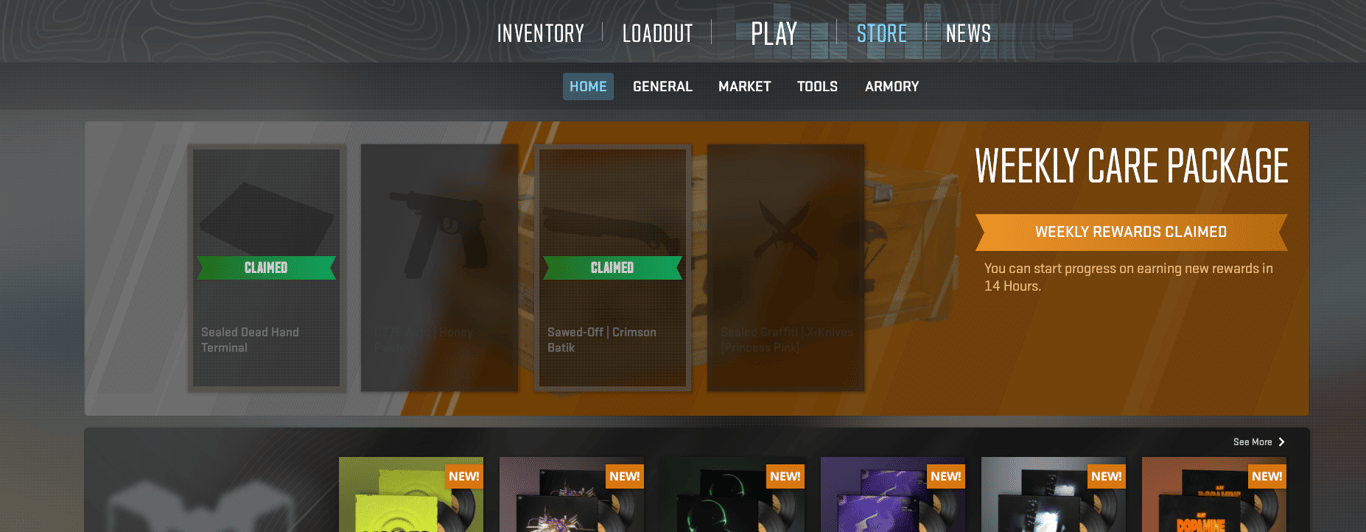
The most accessible way to start earning from CS2 requires almost no effort. Valve's weekly drop system rewards every player with free cases and skins just for playing the game.
How it works: The drop pool resets every Wednesday. Play any official game mode — Competitive, Premier, Deathmatch, or Casual — and you'll accumulate drops automatically. Most drops are common skins or cases worth $0.05–$100, but cases can spike in value depending on what's in the current market.
How to monetise drops: List your drops on a skin marketplace like white.market as soon as you receive them. Over weeks and months, even $0.20 drops add up. It's not a meaningful income on its own, but it's genuinely passive — you were playing anyway.
Realistic earnings: $2–$10 per month for casual players. Not life-changing, but it's money from nothing.
Method 2: Skin Trading — Buy Low, Sell High
Skin trading is one of the most popular ways to make real money from CS2 without being a professional player. The CS2 skin market behaves similarly to a commodity market — prices fluctuate based on case updates, game patches, tournament seasons, and community trends. Players who understand these patterns can profit consistently.
How Skin Trading Works
The core principle is simple: buy skins when prices are low and sell when prices rise. In practice, this requires understanding what drives price movements in the CS2 market.
Price drivers to watch: New case releases often drop the value of older case skins as attention shifts. Major tournament seasons increase demand for popular skins as viewership spikes. Operation releases can dramatically change the value of specific collections. Streamer and pro player influence — when a high-profile player uses a specific skin, demand and price can spike within hours.
Where to Trade CS2 Skins
For skin trading to be profitable, you need a marketplace with competitive pricing, a large buyer base, and fast transactions. white.market is one of the best platforms for this in 2026.
Here's why traders use white.market:
Prices consistently lower than Steam Market — meaning you buy cheaper and have more margin when reselling
Large active buyer base — skins sell faster, so your capital isn't locked up waiting for a transaction
Fast withdrawals — profits are accessible quickly, not stuck in a pending queue
Price history tracking — essential for identifying patterns and timing trades correctly
Transparent fees — you know exactly what you're making on every transaction
Trusted by millions of CS2 players worldwide — reliability matters when real money is involved
Realistic earnings: Highly variable. Casual traders flipping budget skins might make from $20 and up to $500 per month. Experienced traders working with higher-value inventory can make significantly more. The ceiling is high for those who treat it seriously.
Tips for Starting Skin Trading
Start with lower-value skins to learn market patterns without significant risk. Track price history before buying anything — a skin that looks cheap might be in a long-term price decline. Focus on skins with consistent demand rather than chasing rare spikes. Reinvest profits rather than withdrawing everything, to grow your trading capital over time.
Method 3: FACEIT — Earn Points and Convert to Value
FACEIT is the leading competitive CS2 platform and has its own economy. Players earn FACEIT points by completing missions, winning matches, and participating in seasonal challenges. These points can be redeemed in the FACEIT shop for CS2 cases, skins, and other items — which can then be sold for real money.
For players who are already grinding FACEIT for rank, this is essentially a bonus income layer on top of gameplay you're doing anyway. Higher FACEIT levels unlock better mission rewards, creating an incentive to improve your rank that goes beyond just prestige.
Realistic earnings: $5–$30 per month depending on activity level and how efficiently you complete missions.
Method 4: Compete in Online Tournaments and Leagues
CS2 has a thriving ecosystem of online tournaments at every skill level, many of which offer real cash prizes. You don't need to be a professional player to compete for prize money — amateur and semi-professional circuits run regularly and are accessible to anyone with a decent rank and a team.
Where to Find Paid CS2 Tournaments
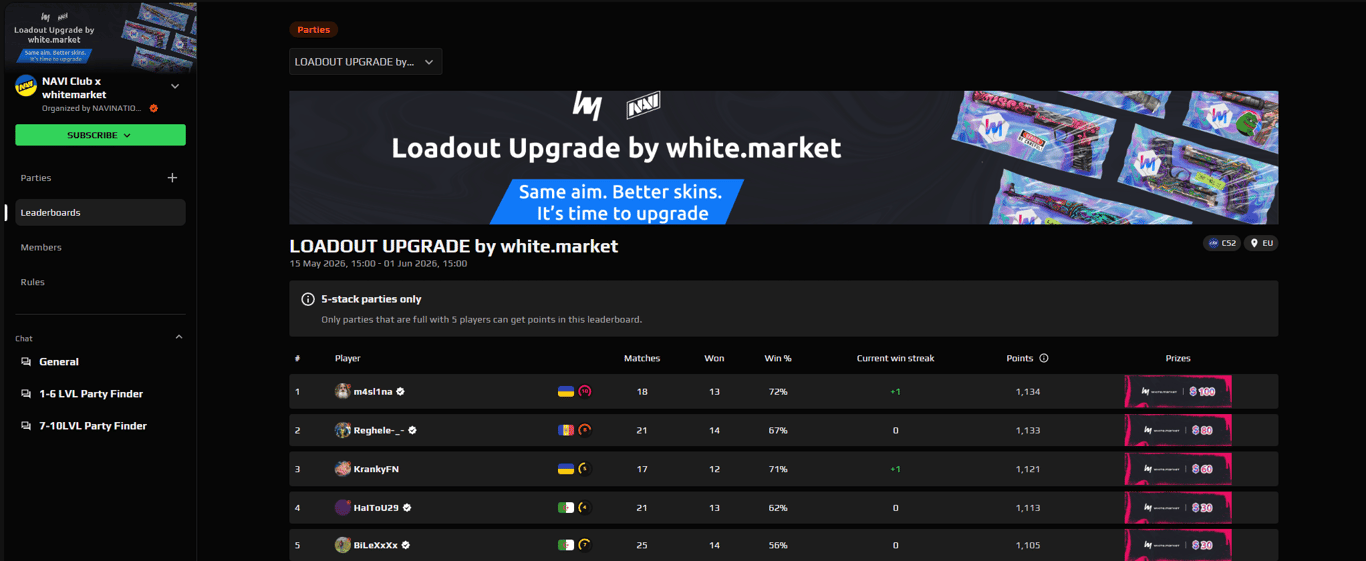
FACEIT Hubs and Leagues — FACEIT hosts paid entry tournaments with cash prizes across all skill levels. Some hubs specifically target amateur players with smaller prize pools that are more realistic to win.
Building a Team for Tournaments
Solo queue won't get you far in serious tournaments. Finding consistent teammates at your skill level is essential. Use FACEIT hubs and Discord servers dedicated to team finding to build a roster. Even an amateur team that practices together consistently will outperform five individually skilled players who have never coordinated.
Realistic earnings: $0 for most players starting out, but with consistent practice and a solid team, placing in smaller tournaments for $50–$500 is achievable within months. Some dedicated amateur players supplement their income meaningfully through tournament winnings alone.
Method 5: Climb the Competitive Ladder Toward Semi-Pro
Between casual player and professional lies a large semi-professional scene that is often overlooked. Semi-pro CS2 players compete in structured leagues, represent smaller organizations, and while they may not earn full salaries, they receive team support, sponsorship benefits, and occasional prize money.
The Path From Amateur to Semi-Pro
The realistic progression looks like this: hit a high FACEIT level (Level 8–10 minimum, ideally Level 10), play consistently in FACEIT hubs and open league qualifiers, build a reputation in the community through performance and reliability, get picked up by or form a semi-pro roster, and compete in ESL open divisions and regional leagues.
This path takes months to years of serious commitment. But it's a real path — most professional players came through exactly this route.
What Semi-Pro Looks Like Financially
Semi-pro organizations typically don't pay full salaries, but they often cover tournament travel, provide equipment sponsorships, and share prize pool earnings. Some semi-pro players earn $500–$2,000 per month through a combination of prize money, small team stipends, and streaming income on the side.
Method 6: Go Professional — Salary, Sponsorships, and Prize Money
Professional CS2 is a legitimate career path for the top fraction of players in the world. Professional teams in tier-1 and tier-2 organizations pay salaries, cover travel and living expenses, and compete for prize pools that can reach millions of dollars at the highest level.
What Professional CS2 Players Earn
Tier-1 professionals at organizations like Natus Vincere, FaZe Clan, Team Vitality, or G2 Esports earn base salaries typically ranging from $10,000 to $30,000+ per month, plus bonuses, prize pool shares, and sponsorship income. Top players earn significantly more.
Tier-2 professionals at smaller but established organizations earn $2,000–$8,000 per month in base salary, with prize pool earnings on top.
Prize pools at major tournaments are substantial. The CS2 Major offers $1,250,000 in prizes. ESL Pro League and BLAST Premier events regularly offer $500,000–$1,000,000. A team finishing in the top 8 at a Major takes home life-changing money.
How to Get Signed by a Professional Team
No organization signs players off rank alone. The path to a professional contract requires: sustained top-level FACEIT performance, visibility in the community through streaming or highlight clips, competing in open qualifier circuits and performing well, networking within the scene, and often being discovered through semi-pro team performance in structured leagues.
Trial periods are common — organizations watch players across multiple sessions before offering contracts. Reputation for reliability, communication, and coachability matters as much as raw mechanical skill.
Method 7: Content Creation Alongside CS2
Many CS2 players who never reach professional level still generate significant income through content creation built around the game. YouTube channels, Twitch streams, and TikTok accounts focused on CS2 tips, highlights, skin showcases, and trading guides attract large audiences.
Monetisation comes through platform ad revenue, sponsorships from skin marketplaces and gaming peripherals, affiliate links, and direct viewer support through subscriptions and donations. CS2 content has one of the most engaged gaming audiences online, and the barrier to starting is just a recording setup and consistent output.
This is not a quick income method — building an audience takes time. But combined with any of the other methods in this guide, it creates an additional income layer that grows with your presence in the community.
FAQ
Can you actually make money playing CS2?
Yes — through multiple routes including skin trading, tournament prize money, professional salaries, FACEIT rewards, and content creation. The amount you can earn depends heavily on the method and how seriously you pursue it. Passive methods like weekly drops earn very little, while professional play and serious trading can generate substantial income.
How much do professional CS2 players earn?
Tier-1 professionals at top organizations typically earn $10,000–$30,000+ per month in base salary, plus prize pool shares and sponsorships. Tier-2 professionals earn $2,000–$8,000 per month. These figures vary significantly by organization, region, and individual contract terms.
Is skin trading in CS2 profitable?
It can be, with the right knowledge and approach. Skin trading works similarly to commodity trading — understanding price drivers, timing purchases during dips, and selling during demand spikes generates consistent returns for experienced traders. Beginners should start with low-value skins to learn market patterns before committing significant capital.
Where is the best place to sell CS2 skins for real money?
white.market is one of the top platforms for selling CS2 skins for cash in 2026. It offers competitive payouts, fast withdrawals, a large active buyer base, and transparent fees — making it a reliable choice for both casual sellers and serious traders.
How do I start competing in CS2 tournaments for prize money?
Start by building your FACEIT rank and finding consistent teammates. Platforms like ESL Play, FACEIT, and Challengermode run open tournaments accessible to amateur players. Focus on team coordination and consistent performance rather than individual highlights — tournament success is almost always a team effort.
Can you make money from CS2 without being a good player?
Yes — skin trading, content creation, and case market speculation don't require competitive skill. A deep understanding of the CS2 economy and good market timing can generate income regardless of your in-game rank.
What is the fastest way to make money from CS2?
Skin trading with existing capital is the fastest route for most players. Buying underpriced skins and relisting at market rate can generate returns within days. For players with no starting capital, FACEIT missions and weekly drop selling are the most accessible entry points.
How do FACEIT points work and can I sell what I earn?
FACEIT awards points for matches and missions. These can be redeemed in the FACEIT shop for CS2 items including cases and skins. Those items can then be listed and sold on skin marketplaces like white.market, converting your gameplay time into real money.
Is it worth trying to go pro in CS2?
That depends on your age, skill level, and realistic assessment of your ceiling. The path is extremely competitive — only a tiny fraction of players reach professional level. However, the semi-professional scene offers a middle ground where you can earn money from CS2 without needing to be among the best in the world. For most players, combining trading, FACEIT rewards, and amateur tournaments is a more realistic earning strategy than aiming for a professional contract.
Disclaimer: This article is for informational purposes only and does not constitute financial advice. CS2 skin values fluctuate and past market performance is not indicative of future results. Skin trading involves financial risk and you should never invest more than you can afford to lose. Prize money and professional salaries vary widely and the examples cited are illustrative. Always conduct your own research before making any financial decisions related to CS2 skins or esports.